विद्यार्थिनां प्रशिक्षणं, धर्मस्य च प्रचारणम्।
समृद्धिर्युवतीनां च, हितं लोके च सर्वदा॥
Our mission
encompasses the education of students, the propagation of righteousness, and the prosperity and welfare of the youth and society at large, always.
आजकाआत्मज्ञान
The Vision and Teachings of Swami Chitaprakashanand Ji (Mauni Baba) Swami Chitaprakashanand Ji, often revered as Mauni Baba, embodies the quintessence of …
MORE ABOUT YOGA
Our Curriculum

Gurukul Education System

Vedic and Sanskrit Education

Yoga, Meditation and Naturopathy

Career Development and Community Engagement
Educational Platform for Local Youth
Retreats
Practice
Bhakti
Training
Welcome to Himalayan Gurukul Pathshala
At Himalayan Gurukul Pathshala, we are dedicated to reviving and promoting the ancient Gurukul system of Indian education. Our mission is to create an enriching educational platform that integrates traditional wisdom with modern advancements, nurturing individuals who are not only academically proficient but also deeply rooted in cultural values and ethos.
Our Inspiration
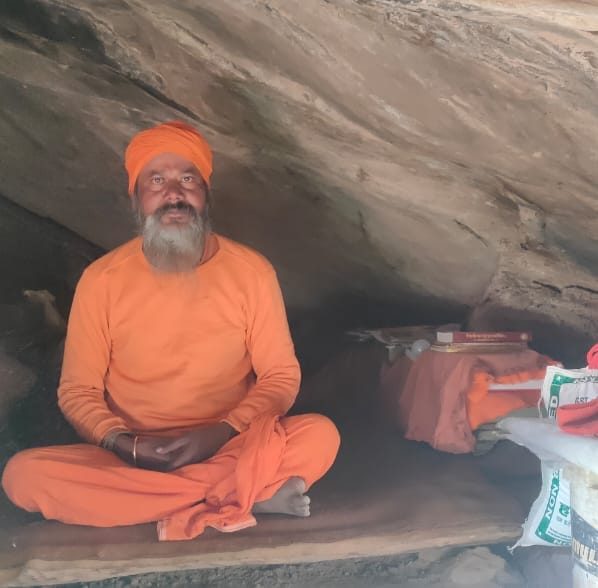
Inspired by the teachings of Saint Swami Chitaprakashanand Ji (Mauni Baba), a revered educationist and philanthropist who resides in the caves of the Himalayas, we are committed to carrying forward his legacy. Swami Ji’s dedication to guiding the younger generation towards righteousness and values rooted in Sanatan Dharma serves as our guiding light. We strive to provide authentic and comprehensive educational resources to the youth of Uttarakhand and neighboring regions, empowering them with holistic education.
Gurukul Education in Ancient India
*Introduction
The Gurukul system of education in ancient India is one of the oldest and most revered forms of education in the world. Rooted in the Vedic traditions, the Gurukul system emphasized holistic learning and character development. It was a residential schooling system where students lived with their teachers (gurus) and were trained in various disciplines.
Salient Features of the Gurukul System
Residential Schooling:
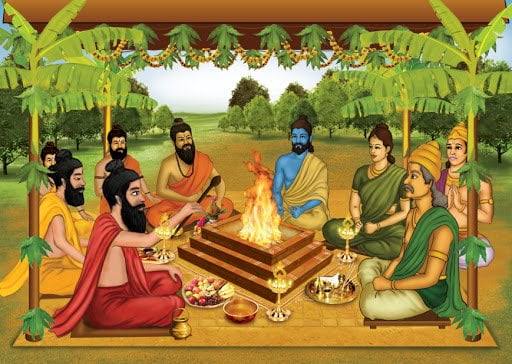
Students (known as shishyas) lived with their gurus in the guru’s ashram or residence, fostering a close relationship.
This setup allowed for 24/7 learning and personal development, far beyond just academic knowledge.

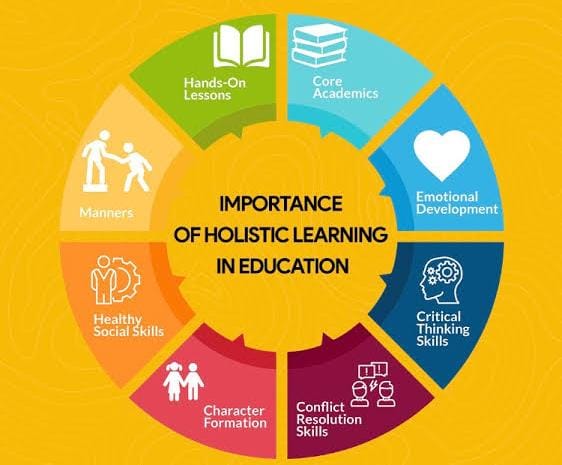
Holistic Education:
Education in Gurukuls was not limited to reading and writing. It encompassed a wide range of subjects including the Vedas, philosophy, mathematics, astronomy, medicine (Ayurveda), and the arts (music, dance, and painting).
Emphasis was also placed on physical education, including martial arts, yoga, and sports.
Ethical and Moral Development:
The Gurukul system stressed the importance of moral and ethical education. Students were taught values such as humility, discipline, respect, and responsibility.
The teachings of dharma (righteousness) and karma (actions) were integral to the curriculum.
Personalized Learning:
Education was highly personalized, with gurus tailoring their teaching methods to the individual needs and capabilities of each student.
Students learned at their own pace, ensuring thorough understanding and mastery of subjects.
Practical Knowledge and Skills:
The education imparted was highly practical. Students participated in daily chores, helping in the maintenance of the Gurukul and contributing to the community.
Skills in agriculture, trade, crafts, and various sciences were part of the curriculum, preparing students for real-life challenges.
Gurudakshina:
Upon completion of their education, students were expected to offer a token of gratitude known as Gurudakshina to their guru. This could be in the form of service, a gift, or a gesture of respect.
Life and Practices in a Gurukul

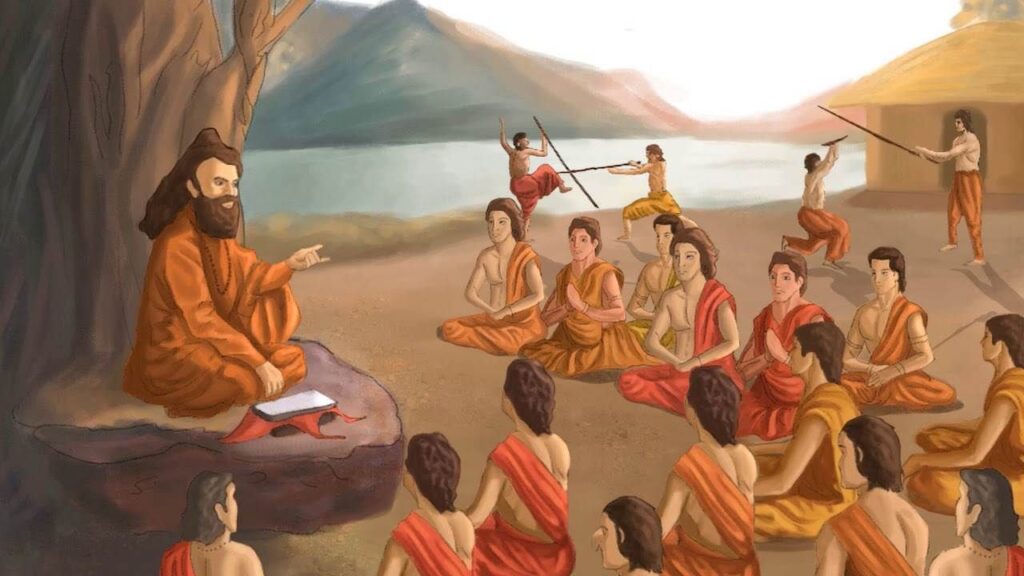
Daily Routine in Gurukuls:
The day typically began early at dawn with prayers and meditation, setting a peaceful and focused tone for the day.
Morning sessions were often dedicated to theoretical learning, including recitation of scriptures and discussions on various topics.
Physical Activities:
Afternoons were usually reserved for physical activities such as yoga, sports, and martial arts, emphasizing the importance of physical fitness.
Students were also engaged in practical work, including gardening, cooking, and maintenance tasks.
Spiritual Practices:
Spiritual education was a core component, with students participating in regular rituals, chanting, and discussions on spiritual texts.
Meditation and contemplation were encouraged to foster inner peace and self-awareness.
Community Living:
Life in a Gurukul was communal, with students learning the values of cooperation, sharing, and collective responsibility.
The absence of material distractions allowed for a focus on learning and personal growth.
Mentorship and Guidance:
The guru acted as a mentor, guide, and parental figure, providing not just academic instruction but also life lessons and personal advice.
The close-knit environment fostered trust, respect, and lifelong bonds between the guru and shishyas.


Cultural Activities:
Arts and culture were integral to the Gurukul education. Music, dance, drama, and poetry were encouraged, enriching the students’ cultural and emotional development.
Festivals and special events were celebrated together, adding to the vibrant community life.
Conclusion
The Gurukul system of ancient India was a unique educational model that aimed at the all-round development of individuals. It emphasized not just academic knowledge but also physical, ethical, and spiritual growth. By living closely with their teachers and peers, students in a Gurukul learned valuable life skills, fostered deep intellectual and spiritual insights, and developed into well-rounded individuals ready to contribute positively to society.
Brahmacharya: The Student Life
Definition: Brahmacharya refers to the stage of life dedicated to education and self-discipline, typically beginning around the age of 8 and lasting until about 25.
It is one of the four ashramas (stages of life) in the Vedic tradition, focusing on celibacy, study, and the pursuit of knowledge.
Principles:
Celibacy: Students were expected to practice celibacy, channeling their energy towards learning and self-development.
Discipline: A rigorous daily routine encompassing study, physical exercise, meditation, and chores was followed.
Simplicity: Students led a simple life, devoid of materialistic distractions, focusing solely on intellectual and spiritual growth.
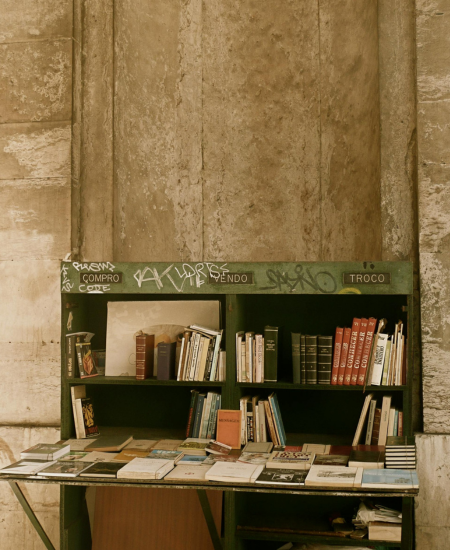

It is the language of the Vedas, Upanishads, epics like Mahabharata and Ramayana, and numerous classical texts in philosophy, science, and literature.
Curriculum:
Vedic Studies: Rigveda, Samaveda, Yajurveda, and Atharvaveda were studied in depth, focusing on hymns, rituals, and spiritual knowledge.
Grammar and Linguistics: Detailed study of Sanskrit grammar (Vyakarana) was essential, often based on Panini’s Ashtadhyayi.
Literature and Poetry: Works of great poets and playwrights, including Kalidasa and Bhavabhuti, were part of the curriculum.
Philosophy and Logic: The six schools of Indian philosophy (Darshanas), including Nyaya, Vaisheshika, Samkhya, Yoga, Mimamsa, and Vedanta, were explored.
Mathematics and Astronomy: Texts like Aryabhatiya and Surya Siddhanta were studied, reflecting the advanced knowledge in these fields.
Medicine and Ayurveda: Foundational texts like Charaka Samhita and Sushruta Samhita provided comprehensive knowledge of ancient Indian medicine.
Methods of Learning:
Oral Tradition: Knowledge was primarily transmitted orally, with students memorizing and reciting texts.
Discussion and Debate: Gurukuls encouraged critical thinking through debates (Shastrartha) and discussions.
Practical Application: Learning was not limited to theory but extended to practical application, particularly in fields like Ayurveda and crafts.

Role of the Guru:
The guru was not just a teacher but a mentor and guide, shaping the moral and spiritual character of the students.
The relationship between guru and shishya was based on mutual respect, trust, and dedication.
Conclusion
The Gurukul system, characterized by its emphasis on Brahmacharya and Sanskrit education, was a comprehensive approach to learning that integrated intellectual, physical, and spiritual development. It fostered a disciplined lifestyle, deepened cultural and spiritual understanding, and produced well-rounded individuals equipped with knowledge and values essential for contributing to society. The legacy of the Gurukul tradition continues to influence modern education systems and remains a symbol of holistic and value-based education
Gurukul in modern times
The Gurukul system, though ancient, has found a renewed relevance and adaptation in modern times. Contemporary Gurukuls aim to blend traditional educational values with modern advancements, fostering holistic development in students.
Revival and Adaptation
Integration with Modern Education: Modern Gurukuls incorporate contemporary subjects such as science, mathematics, and technology alongside traditional teachings like Vedas, Sanskrit, and yoga.
These institutions aim to provide a well-rounded education, preparing students for both traditional and modern challenges.

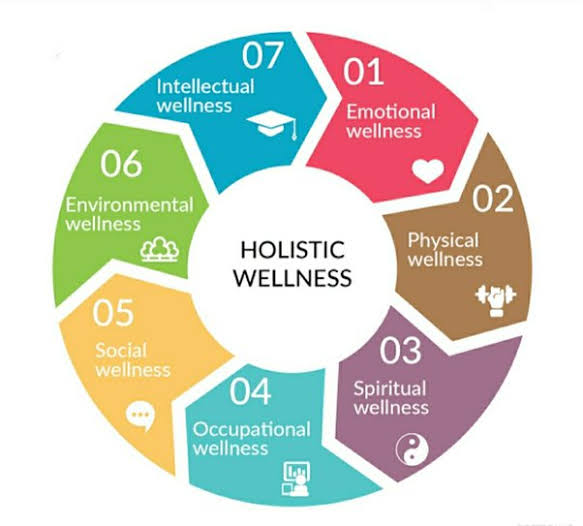
Holistic Development:
Emphasis is placed on the all-round development of students, focusing on intellectual, physical, emotional, and spiritual growth.
Practices such as yoga, meditation, and martial arts are integral, promoting physical health and mental well-being.
Value-Based Education:
Modern Gurukuls stress moral and ethical education, teaching values such as discipline, respect, responsibility, and environmental stewardship.
Students are encouraged to develop a sense of community service and social responsibility.
Notable Modern Gurukuls
Chinmaya International Residential School (CIRS), Coimbatore
Description: A blend of traditional Indian culture and modern educational techniques.
Focus: Academic excellence, character building, and cultural awareness.
Features: Offers the International Baccalaureate (IB) and CBSE curricula alongside Vedic studies, Sanskrit, and Indian classical arts.
Rishi Valley School, Andhra Pradesh
Description: Founded by the philosopher Jiddu Krishnamurti, it emphasizes self-awareness and holistic education.
Focus: Intellectual development, creativity, and environmental consciousness.
Features: Combines modern academic curriculum with traditional arts and crafts, yoga, and meditation.
Gurukulam The School, Hyderabad
Description: Combines traditional Gurukul methodology with modern educational practices.
Focus: Academic rigor, spiritual growth, and physical fitness.
Features: Curriculum includes Vedic chanting, Sanskrit, yoga, and modern subjects.
Vidyashram, The Southpoint School, Varanasi
Description: An institution that integrates traditional Indian wisdom with modern pedagogy.
Focus: Developing global citizens with strong ethical foundations.
Features: Emphasizes Sanskrit, classical music, and dance along with modern academic subjects.
Gurukula Kangri (Deemed to be University)
Gurukula Kangri (Deemed to be University) was founded on 4 March 1902 by the Arya Samaj sannyasi Swami Shraddhanand, who was a follower of Dayananda Saraswati, with the sole aim to revive the ancient Indian gurukula system of education
“Build on Indian ethos and scientific temperament to prepare global leaders from this iconic learning center of the Country.”

Life and Practices in Modern Gurukuls
Academic Classes: A balanced curriculum of traditional and modern subjects is taught.
Physical Activities: Regular physical exercise, including sports and yoga, is part of the daily routine.
Cultural and Spiritual Education:
Students learn about Indian culture, traditions, and spiritual practices through music, dance, and festivals.
Emphasis on learning Sanskrit and Vedic texts to maintain a connection with India’s ancient heritage.
Community Living and Responsibility:
Students live in a community setting, learning to share, cooperate, and take on responsibilities.
Involvement in community service projects to foster a sense of social responsibility.
Character and Skill Development:
Focus on developing life skills such as critical thinking, problem-solving, leadership, and communication.
Encouragement of creativity and innovation through arts, crafts, and extracurricular activities.
Benefits of Modern Gurukul Education
Balanced Growth:
Provides a balanced growth environment, nurturing both academic excellence and personal development.
Students develop a strong moral compass and life skills alongside intellectual capabilities.
Cultural Preservation:
Helps preserve and promote Indian culture, traditions, and languages, particularly Sanskrit.
Students gain a deep understanding and appreciation of their cultural heritage.
Stress on Ethics and Values:
Emphasizes ethical living, environmental sustainability, and social responsibility.
Prepares students to be conscientious global citizens.
Holistic Health:
Focus on physical health through yoga and sports, and mental well-being through meditation and spiritual practices.
Encourages a healthy, balanced lifestyle.
Conclusion
Modern Gurukuls offer a unique educational paradigm that harmonizes ancient wisdom with contemporary knowledge. These institutions focus on the holistic development of students, preparing them to excel in both traditional and modern worlds. By fostering a blend of intellectual, physical, and spiritual growth, modern Gurukuls aim to produce well-rounded individuals grounded in values and equipped to face the challenges of the future.
Benefits of Gurukul System of Education
Holistic Development: The Gurukul system focuses on the holistic development of an individual, encompassing physical, mental, and spiritual aspects.
Teacher-Student Bond: The close-knit teacher-student relationship fosters personalized learning and mentorship.
Emphasis on Values: Gurukuls instill values like discipline, respect, and humility, shaping individuals into responsible and ethical beings.
Practical Learning: Learning through observation, practice, and experience encourages practical knowledge acquisition, promoting lifelong skills.
Preservation of Culture: Gurukuls uphold traditional Indian culture and heritage, ensuring the continuity of ancient wisdom and practices.
Relevance to Modern Education and Lifestyles:
In a rapidly evolving world, it’s essential to blend traditional wisdom with modern education to foster well-rounded individuals. Our platform not only imparts academic knowledge but also instills values that are pertinent to contemporary lifestyles. By integrating the teachings of the Gurukul system with the demands of today’s society, we equip the youth with the tools they need to navigate through life successfully while staying connected to their cultural roots.